


Article: 7 Common Sunscreen Myths That Put Your Skin at Risk

7 Common Sunscreen Myths That Put Your Skin at Risk
Proper sun protection isn’t just a seasonal ritual reserved for summer beach days, it is a fundamental, year-round health practice. Beyond avoiding painful sunburns, consistent UV defense prevents deep cellular damage, premature aging, and long-term skin health risks.
Despite the wealth of information available today, persistent sunscreen misconceptions still lead people to skip protection when they need it most. Here is the truth behind seven of the most common sun protection myths.

1. "I only need sunscreen when it's bright and sunny."
Cloud cover creates a false sense of security. Up to 80% of ultraviolet radiation penetrates cloud cover, meaning your skin absorbs significant UV rays even on overcast, foggy, or cool days.
UVA rays, the specific wavelength responsible for premature aging and deep tissue damage, remain constant in intensity throughout the year from sunrise to sunset. Whether you are running errands, commuting, or sitting near a window, daily broad-spectrum coverage is essential regardless of what the weather looks like outside.
2. "If my skin doesn't burn, I'm not getting sun damage."
A sunburn is an immediate, visible inflammatory response to UVB radiation, but damage often occurs invisibly beneath the surface.
UVA rays penetrate deeper into the dermis, damaging collagen and elastin fibers without producing a red burn. Over time, this stealth exposure manifests as hyperpigmentation, fine lines, skin sagging, and an elevated risk of skin cancer. Sun damage accumulates like a tab; even if you "never burn," your skin still registers every unprotected hour outdoors.
3. "High SPF means I can apply once and be done for the day."
Choosing SPF 50 over SPF 30 gives you slightly more UVB protection, filtering roughly 98% of rays compared to 97%, but it does not extend the duration of protection.
Sunscreen active ingredients break down under direct exposure to sunlight. Natural sweat, environmental moisture, towel friction, and touch naturally degrade the barrier. Regardless of how high the SPF number on the bottle is, sunscreen must be reapplied every two hours, and immediately following swimming or heavy sweating.
4. "People with darker skin tones don't need sunscreen."
Melanin provides a degree of natural protection against UVB radiation, but it does not make darker skin immune to sun damage or skin cancer.
In fact, hyperpigmentation, dark spots, and melasma are often more pronounced in darker skin tones and are directly exacerbated by UV exposure. Furthermore, when skin cancer occurs in people with darker complexions, it is often diagnosed at later, more dangerous stages. Daily broad-spectrum SPF protects uniform skin tone and overall skin longevity for every complexion.
5. "My makeup contains SPF, so my skin is covered."
While cosmetics with built-in SPF are a nice bonus, relying on them as your sole sun protection leaves significant gaps in coverage.
To achieve the advertised SPF rating on a foundation or powder, you would need to apply several times the normal amount of makeup, far more than anyone comfortably wears. For true protection, apply a full layer of dedicated broad-spectrum sunscreen beneath your makeup routine. Treat SPF makeup as an extra layer of reassurance, not your main shield.
6. "Mineral sunscreens always leave a chalky white cast."
Heavy, pasty zinc formulations are largely a thing of the past. Modern cosmetic chemistry has transformed physical sun care.
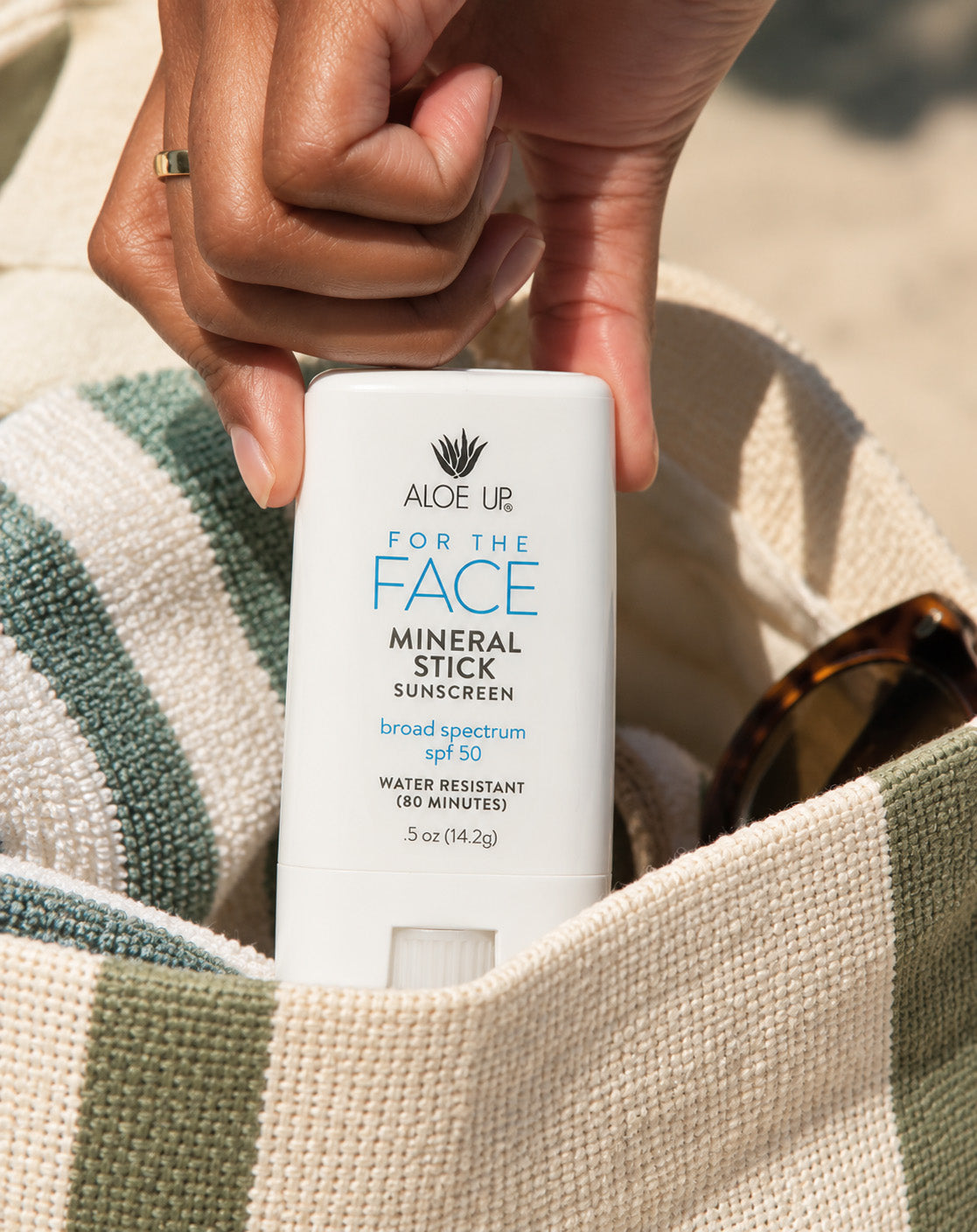
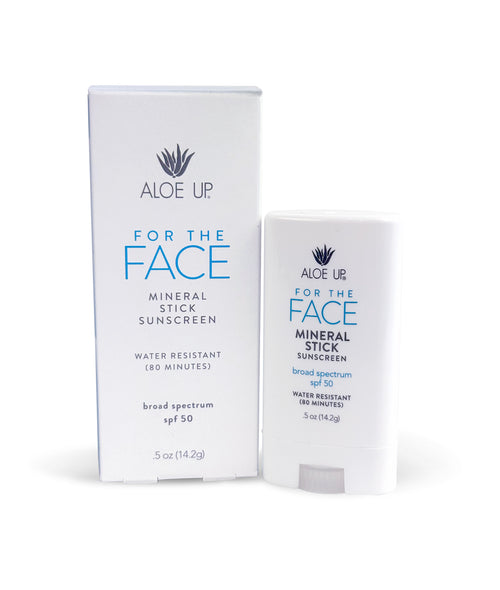
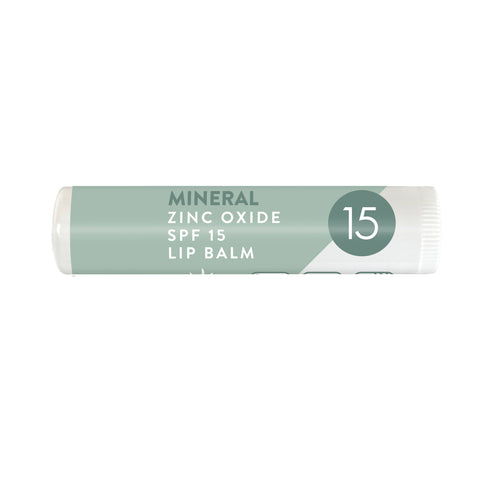
Advanced mineral options like what Aloe Up offers, now utilize micronized Gen2 Zinc Oxide paired with hydrating plant bases like pure organic aloe vera. These modern formulas glide on smoothly, absorb rapidly, and rub in clearly across a wide range of skin tones without the suffocating weight associated with older zinc lotions.
7. "Sunscreen is only necessary for dedicated outdoor activities."
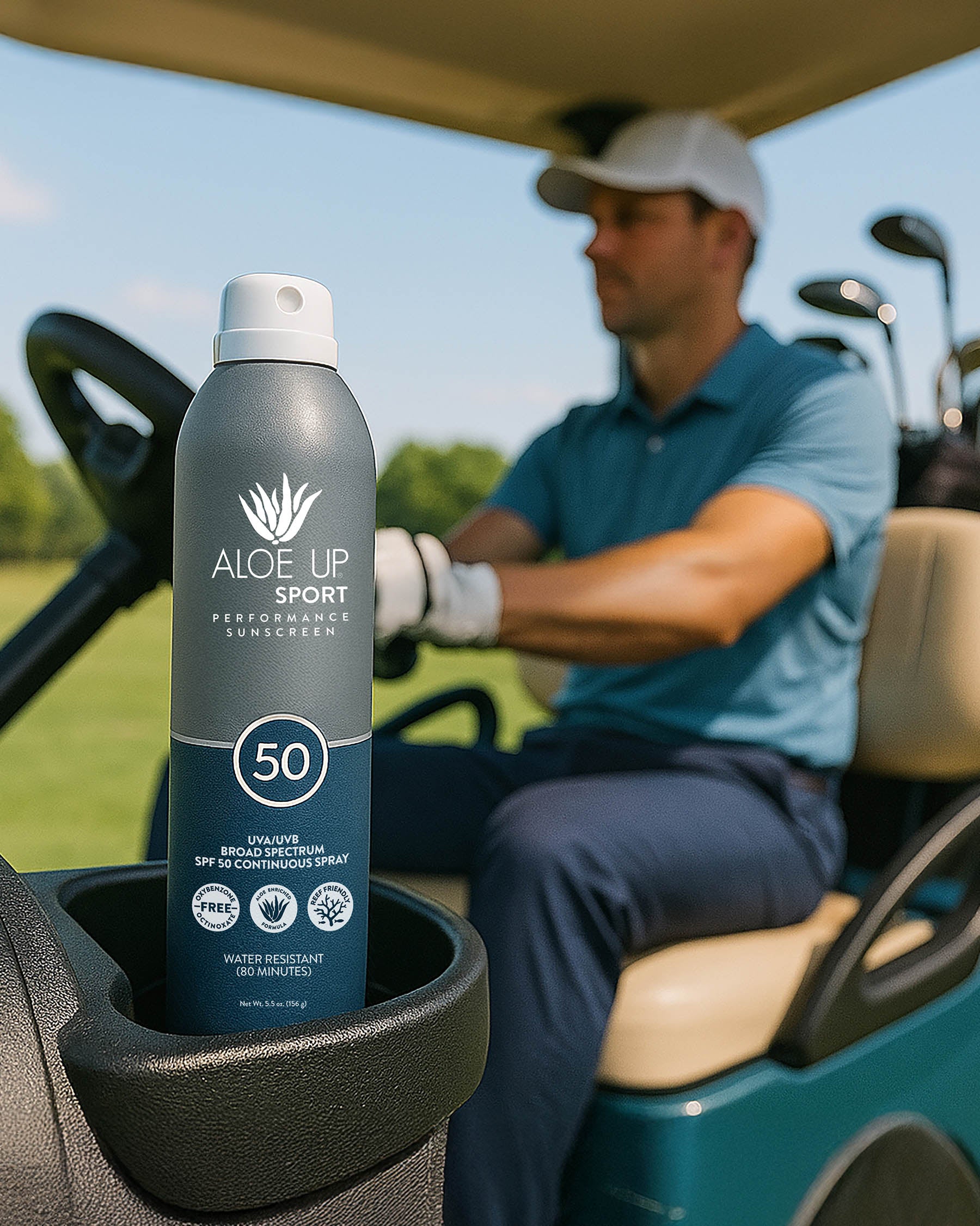
It is easy to remember sunscreen when heading to the beach or golf course, but incidental exposure accounts for a massive portion of cumulative skin damage over a lifetime.
Consider your daily routine:
-
Driving during peak daytime hours (UVA rays penetrate car side windows)
-
Outdoor morning walks with pets
-
Sitting outdoors during lunch breaks
-
Gardening, yard work, or outdoor errands
Because UV damage accumulates incrementally over decades, protecting your skin during short daily activities makes a substantial difference in long-term skin health.
Building a Consistent Daily Protection Habit
Effective sun care comes down to daily habit rather than occasional effort. To keep your routine simple and protective:
-
Apply broad-spectrum protection every morning as the final step in your skincare routine.
-
Keep sunscreen accessible, stash a travel bottle in your bag or car for mid-day touch-ups.
-
Combine protection methods by incorporating polarized sunglasses, wide-brimmed hats, and seeking shade during peak noon hours.
Ultimately, the best sunscreen is simply the one you enjoy wearing enough to apply every single day. Whether you need heavy-duty sweat resistance or a gentle daily wear formula, prioritizing consistent application ensures your skin stays healthy, hydrated, and protected for years to come.
Ready to find your everyday favorite? Browse our full collection of reef-friendly sunscreens or explore protection tailored to your lifestyle:
-
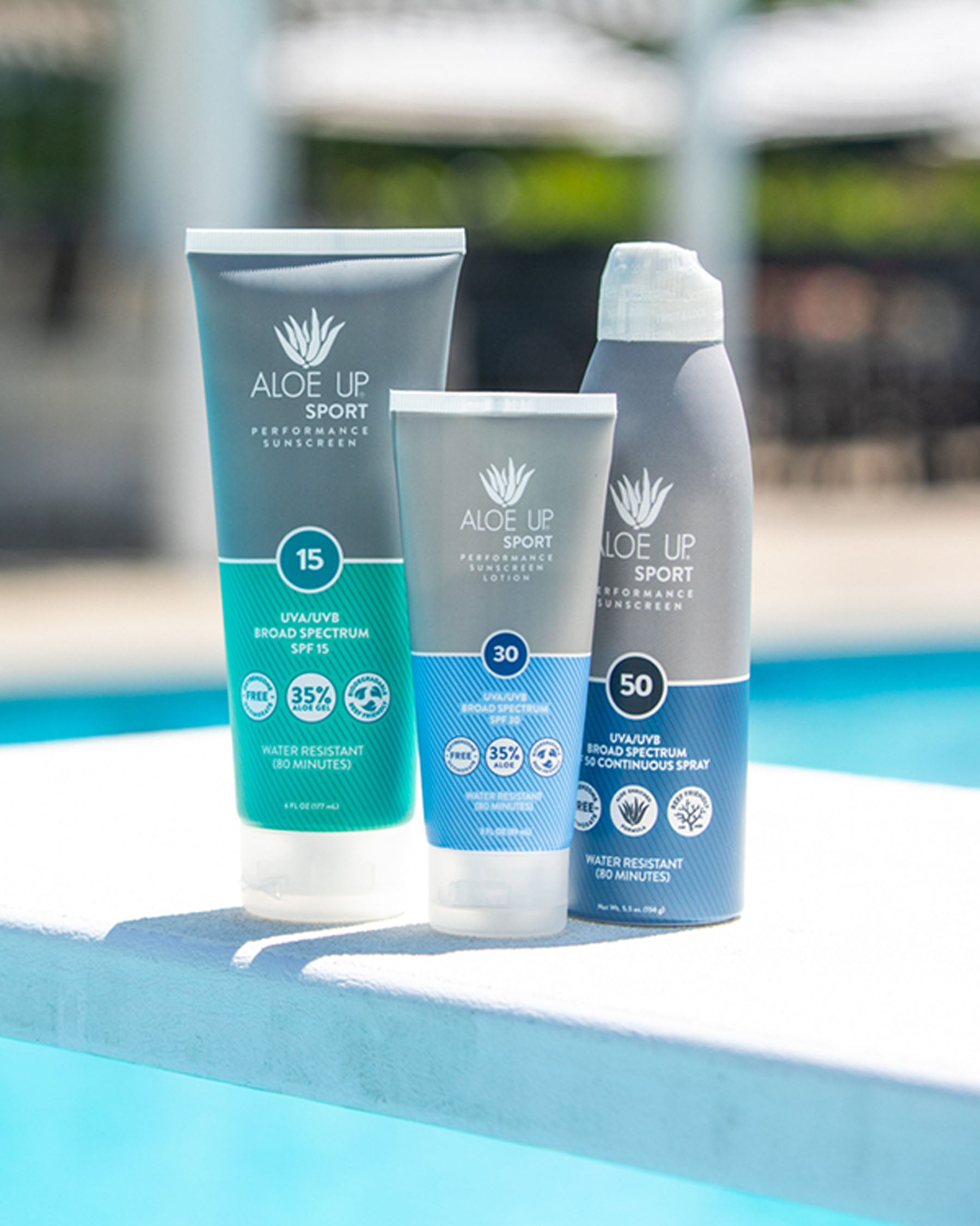
Sport Collection – Water-resistant, fragrance-free, zero-grease, high-performance coverage built for active days outdoors.
-
White Collection – All the active performance and water resistance of our Sport formulas, infused with a signature tropical scent.
-
Mineral Collection – Gentle, reef-friendly Gen2 Zinc Oxide formulas designed for sensitive skin without the heavy white cast.
-
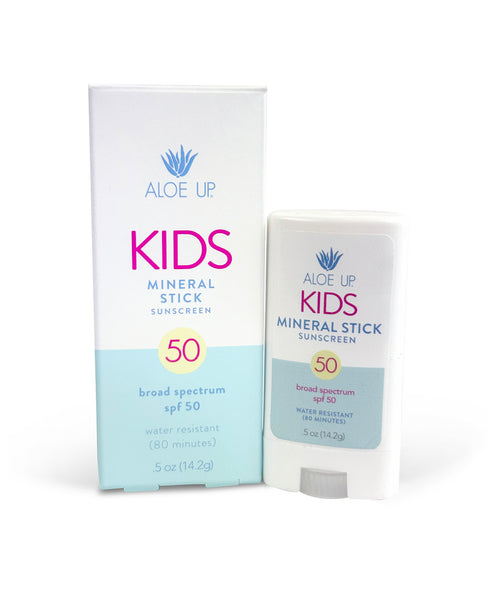
Kids Collection – Paraben-free, hypoallergenic protection specially formulated for younger, sensitive, delicate skin.
Frequently Asked Questions
Have more questions about sun care, ingredients, or application? Explore our comprehensive guide on our Sun 101 FAQ Page to learn everything you need to know about protecting your skin.


